The boxes are finally in the flat, the jet lag is fading, and you're standing in a kitchen that doesn't quite feel like yours yet. Moving to a new country comes with a long to-do list, and most of the advice you'll find focuses on visas and paperwork. Far less is written about the practical side of making a home work in Barcelona.
This is a simple, week-by-week guide to settling in, covering what to sort out first, what can wait, and where to get reliable help.
Week 1: Make the Space Yours
Before you unpack everything, take an hour to get to know the flat.
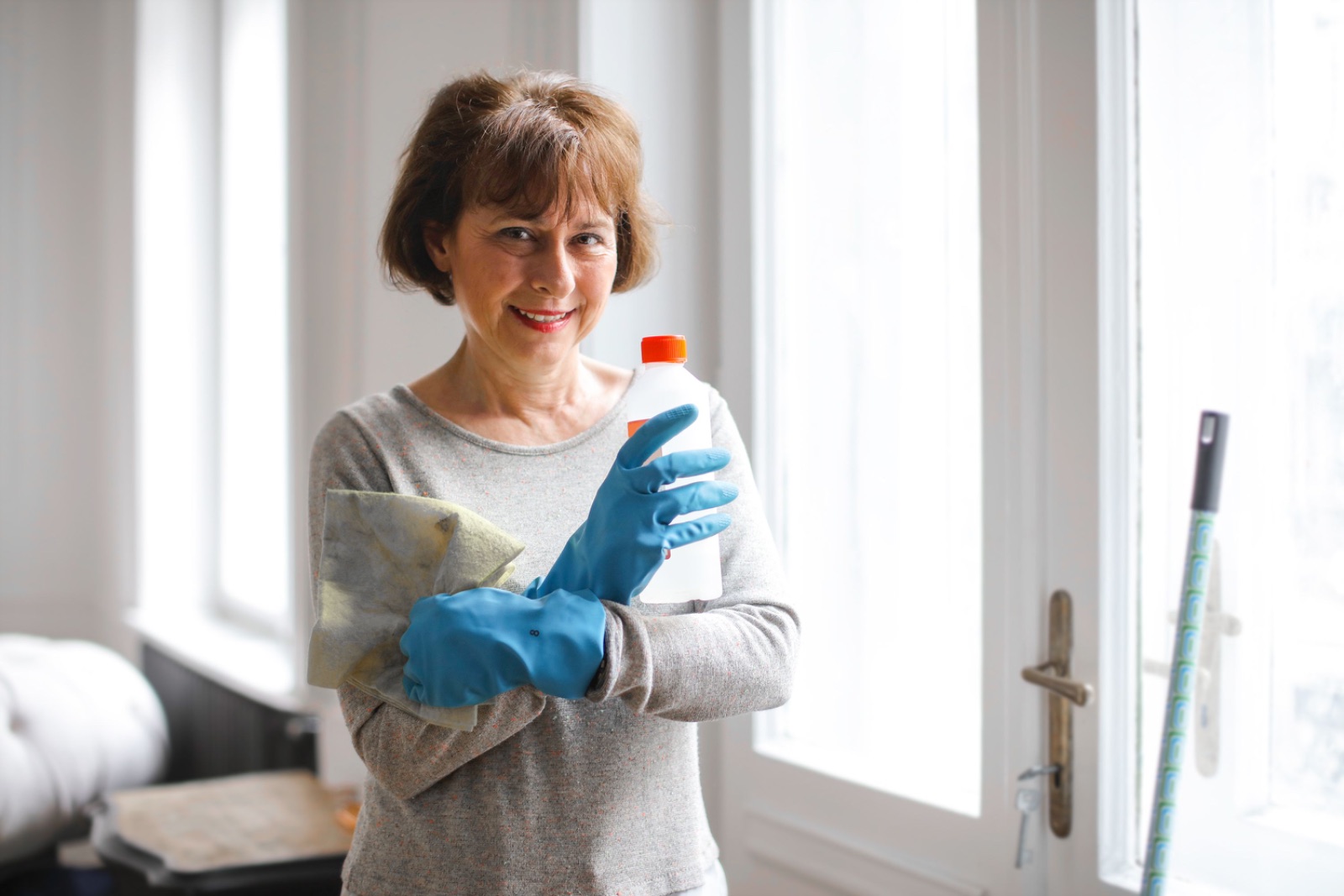
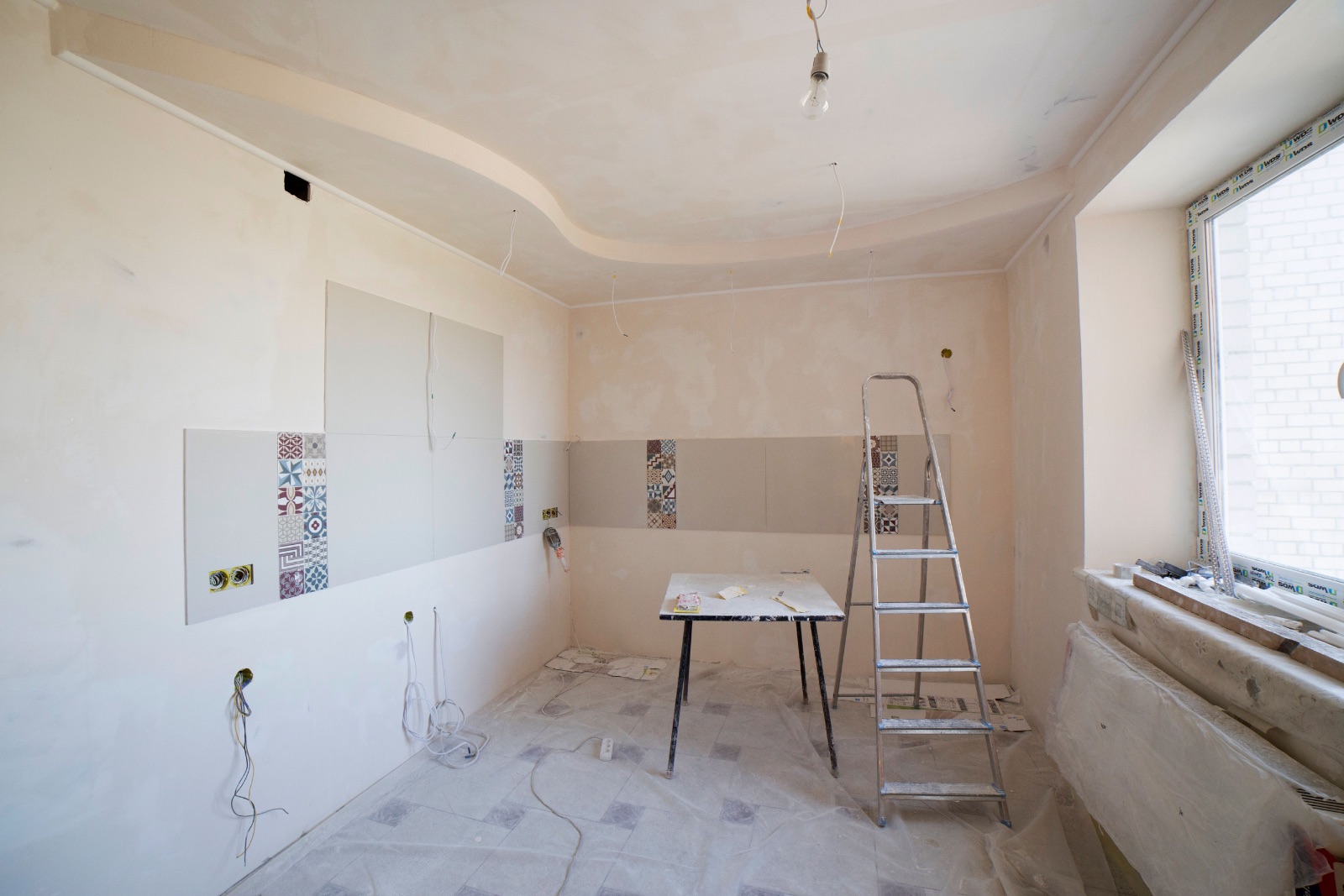
- Start with a clean slate. You don't know who lived there before or how thoroughly it was cleaned. A proper move-in clean, ideally before the boxes come out, means you start in a space that's actually yours.
- Find the essentials. Locate the water stopcock, the fuse box and the gas shut-off, and note where the meters are. You'll be glad you did the first time something leaks or trips.
- Check the basics work. Run the oven, washing machine, shower and heating or air conditioning once, so any problem is reported to your landlord early rather than late.
- Learn the local rubbish system. Barcelona uses colour-coded bins for organic waste, packaging, paper, glass and general waste. Locals notice, and so do neighbours, so it's worth getting right from the start.
- Keep a spare set of keys somewhere safe, with someone you trust.
Weeks 1 to 2: Get on the Register
Registering as a resident of the city, known as the padrón (or empadronament in Catalan), is one of the first official steps for anyone living in Barcelona. It is a municipal record of where you live. It isn't a residence permit and doesn't give you immigration status, but it's the document you'll be asked for again and again, from health registration to school enrolment.
In Barcelona, registration is generally handled by appointment, so book early and bring the documents your lease and situation require. Requirements can change, so rely on official sources rather than hearsay. The city council's Barcelona International Welcome website publishes step-by-step guides in English and is the best place to check the current process.
Weeks 2 to 3: Understand Your Home's Quirks
Every city has its own habits, and Barcelona homes have a few you'll notice quickly.
- Hard water. Limescale builds up fast on taps, shower screens, kettles and appliances. Wiping surfaces dry and descaling regularly makes a real difference.
- Older buildings. Original tiles, high ceilings and mouldings are beautiful, but they need gentler products and more attention to dust.
- Damp in the cooler months. Once windows stay shut, condensation can build up in bathroom corners, window frames and behind wardrobes. Airing rooms daily helps.
- Strong sun and open windows. Dust and salty air collect quickly on glass and sills, especially close to the coast.
None of these are problems. They're simply things nobody mentions until you've lived with them for a few weeks.
Weeks 2 to 4: Decide Who You Trust at Home
This is where many newcomers struggle. You need help, and you don't yet know the city, the language, or who to ask.
A few principles will protect you:
- Be wary of informal arrangements. Hiring someone casually can look simple at first, but in Spain household employment comes with real responsibilities around contracts and registration. Understand what you're agreeing to before you start.
- Ask the questions that matter. Is the person vetted? Is there a proper contract? What happens if they're sick or unavailable? Can you reach someone if there's a problem?
- Think about fit, not just availability. Language, schedule and personality matter, especially for childcare. The right person isn't just whoever can start tomorrow.
- Consider a managed service. Working through a company means vetting, matching and administration are handled for you, with one point of contact if anything goes wrong.
If you're considering a housekeeper or childcare, our guides on hiring a housekeeper in Barcelona and finding someone you can trust with your children go into more detail.
By Day 30: Build a Routine
By the end of the first month, the aim isn't a perfect home. It's a rhythm that works.
- Decide how often you need cleaning: weekly, bi-weekly or occasionally for deep cleans.
- If you have children, settle your childcare plan, from regular nanny hours to a trusted babysitter for the occasional evening.
- Set a day each week to check in on household tasks, so small things don't pile up.
- Give yourself credit. Settling into a new city takes time, and the first month is mostly about getting the foundations right.
The Bottom Line
You don't have to figure everything out alone. Start with a clean, comfortable home, get the official basics in order, understand your home's quirks, and choose your help carefully. The rest becomes much easier once the foundations are in place.
Frequently Asked Questions
Do I need to register on the padrón as soon as I arrive?
Anyone living in Barcelona is expected to register on the city's register of residents, and many services depend on the certificate, so it's worth doing early. Registration is generally by appointment, so book ahead. The padrón is a record of where you live, not a residence permit. Check the Barcelona International Welcome website for the current requirements.
How soon should I book a move-in clean?
Ideally before you unpack. Once you have the keys, a move-in clean means the space is cleaned while it's empty, which is easier and more thorough than cleaning around boxes. Booking a few days ahead gives you the best chance of the date you want.
Is it safe to hire household help informally when I'm new to Spain?
Informal arrangements can look simple, but household employment in Spain carries responsibilities around contracts and registration, and a casual agreement can create problems later. Ask about vetting, contracts and what happens when someone is unavailable, and take advice from a qualified adviser on the details. Working through a managed service is one way to have the vetting and administration handled for you.
How do I find a trustworthy nanny or babysitter in a new city?
Look for someone who has been properly vetted, with references you can check, and who fits your family's schedule, language and values. Meeting the person before they start, and beginning with a trial period, helps you judge the fit. Working with a service that vets and matches candidates can save you from doing all of this alone.
How often should I have my home cleaned in the first few months?
Many newcomers start with one deep clean, such as a move-in clean, and then settle into a weekly or bi-weekly schedule once they know how they live in the space. It's easy to adjust as your routine becomes clearer, so start with what feels manageable and change it as you go.
New to Barcelona and not sure where to start? BCN Ideal Services helps international families settle in with home cleaning, lifestyle management, and trusted household support, all with a real person on the other end. Email info@bcnidealservices.com for a free, tailored quote.